
Why this page exists. House-hunting in Beijing is easier when the whole route is visible in advance. This page is the map: each stage in order, with the questions to ask at each one. The district-level numbers and contract fine print live in the deeper guides linked at the end.
1. Before you even begin: work out your budget
The first mistake most newcomers make is falling in love with a flat before knowing what they can afford. Compare the cost of living in Beijing with your current city first — groceries, transport, eating out — and work backwards to the rent figure that leaves you a comfortable margin. As a rule of thumb, keep rent under a third of your monthly income; in Beijing that discipline matters, because deposits and agency fees arrive all at once at signing.
For the current numbers, see our Beijing housing costs guide, and for the full monthly picture the cost-of-living method applies to Beijing with only small adjustments.
2. Deciding where to live
Beijing is a city of villages. The main trade-offs are commute versus space, and character versus convenience:
| Area | Character | Best for |
|---|---|---|
| Sanlitun & Chaoyang | Polished, international, close to offices and nightlife | Package expats who want everything on the doorstep |
| Wudaokou (Haidian) | Student energy, near the universities, greener and cheaper | Students and academics |
| Tongzhou & eastern suburbs | Newer buildings, noticeably more space per yuan | Bang-for-your-buck renters on Line 6 / Batong |
| Hutong courtyards (Dongcheng / Xicheng) | Old Beijing at street level, one-of-a-kind homes | Romantics who accept the quirks |

Hutong courtyard or high-rise?
The age-old Beijing question. A hutong courtyard house puts you at street level among neighbours, corner shops and centuries-old trees — with the trade-offs of older plumbing, thin insulation, patchwork heating and the occasional construction noise. A high-rise flat gives you modern wiring, a lift, security and property management, but can feel anonymous, and compounds farther from a metro stop add a daily walk or e-bike ride.
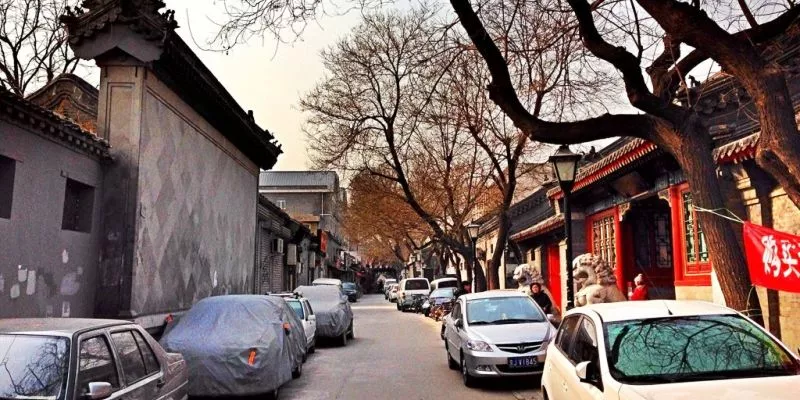
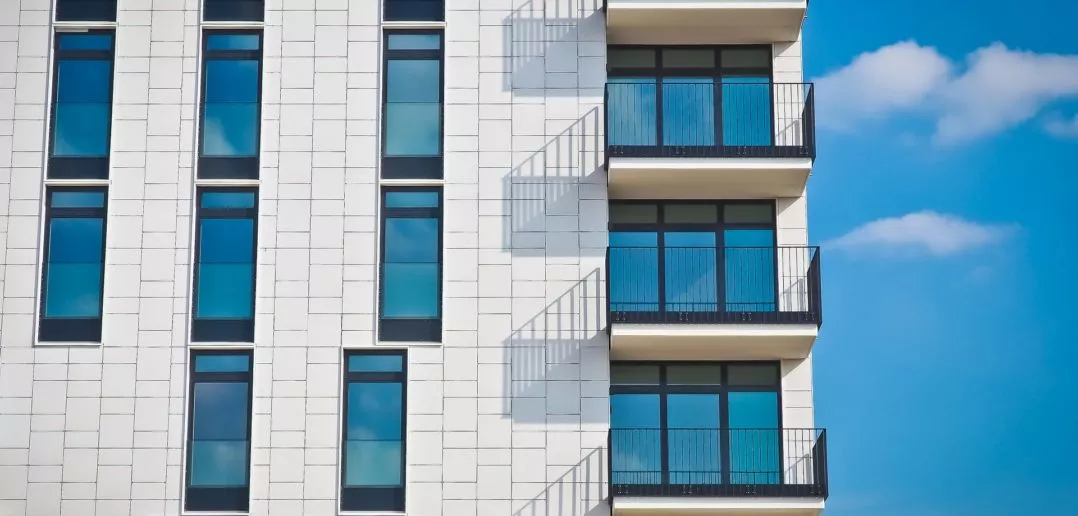
Decide this before you start viewing, or every listing will tempt you in a different direction. For a full district-by-district breakdown, see our Beijing neighborhoods guide and the city overview in Beijing rental guide.
3. Searching and negotiating
Most foreigners find a home through agencies, no-agent sublets or expat WeChat groups — each channel has its own price tag and pitfalls, which we compare in detail in the renting basics guide. Three practical tips apply whichever channel you use:
- Learn the house-hunting phrases. Apartment hunting is hard enough in your own language. A short list of Chinese phrases — 整租 (whole flat), 合租 (shared flat), 押一付三 (one month deposit, pay three months), 拎包入住 (move-in ready) — lets you go toe to toe with landlords and agents instead of relying on translations.
- Bypass the middleman where you can. China's big rental apps let you browse listings, see real asking prices and book viewings directly — the fastest way to stop getting ripped off by agents quoting inflated "expat prices".
- Reset your expectations of a Chinese flat. Depending on where you move from, the standard package is different: dryers are rare, ovens are rarer, but almost every flat comes with a balcony — which doubles as your laundry room.
For the viewing-stage checklist — what to check in the common areas, hot water, laundry space and pest history — see finding accommodation in Beijing.
4. Actually moving in
In an ideal world you would pack two suitcases and start the next chapter. The reality is that moving in Beijing is a project of its own. The good news: moving companies across the city handle small flat moves cheaply and quickly — many run same-day or next-day service within the city. Book a few days ahead at the end of the month, when everyone else is also moving.

Two details matter on moving day: confirm in writing whether packing materials are included in the quote, and take photos of every room and the meter readings the moment you get the keys — you will want them at deposit-return time.
5. Now you're there: settling in
The first weeks in a new Beijing flat are about turning it from a listing into a home, and about the two things every Beijing renter eventually deals with: air quality and odd plumbing.
- Apartment hacks. Simple fixes — tension rods, over-door storage, balcony shelving for the laundry line — add a surprising amount of usable space to a standard Chinese flat.
- Pollution-proofing. Air pollution remains a fact of life in Beijing, at least in winter. Seal the leakiest window gaps, add a door draft excluder, and plan for a purifier in the bedroom first.
- Choosing an air purifier. Match the purifier's rated area to your real room size, budget for replacement filters, and run it on a schedule rather than only when the sky turns grey.
- The bathroom smell fix. If your bathroom emits a sewer smell, the usual culprit is a dried-out floor drain trap — pour a glass of water down every drain weekly and the smell usually disappears.
- Working from home. If your contract lets you work remotely, carve out a dedicated corner: a proper chair, the desk facing away from the bed, and a door you can close beat willpower every time.

6. Protect yourself and your new home
Beijing's rental rules have been moving in tenants' favour. The city's official online rental platform registers landlords and listings, monitors asking prices and lets both sides rate each other — so insist on a landlord who is willing to register the lease, and check the flat's history before you pay anything. Registration also feeds directly into the police registration step that follows move-in: see lease agreements and registration for the paperwork sequence, and legal traps foreigners face for the clauses to strike out before signing.
7. Common questions
- How much should I budget for rent in Beijing?
- Keep rent under a third of your monthly income, and remember that at signing you will typically pay one to two months' deposit plus the first rent cycle (often three months at once) plus any agency fee — a large single outlay.
- Should I live in a hutong courtyard or a high-rise?
- Hutongs give you old-Beijing character at street level with older plumbing and insulation; high-rises give you lifts, management and modern wiring with less charm. Decide before viewing so listings stop pulling you in both directions.
- What appliances come with a Beijing flat?
- Usually a washing machine, air conditioners and a two-burner hob. Dryers and ovens are rare — the balcony is the de facto drying room. Confirm exactly which appliances stay in writing.
- How do I avoid being ripped off by agents?
- Use the big rental apps to see genuine asking prices before you talk to any agent, agree the fee split up front, and never transfer money before meeting the landlord and checking the keys work.
- What should I do right after getting the keys?
- Photograph every room and the meters, register your address at the local police station within days, and pour water down the floor drains — the classic cure for the mysterious bathroom smell.
Go deeper on Beijing
- Renting in Beijing: the basics — a starter guide
- Finding accommodation in Beijing — step by step
- Beijing housing costs 2026 — rent, deposits, agent fees
- Beijing lease agreements — deposits, clauses, registration
- Renting in Beijing: legal traps foreigners face
- Types of housing in Beijing — compared
- Beijing utilities & services — electricity, water, gas, heating
- Expat FAQ