Renting is the foundation of life in China for most expats, but language barriers and unfamiliar rules trip people up. This guide is built on real cases — deposit disputes, contracts signed without understanding, properties left without checkout, and missed police registration — and gives you a clear checklist before you sign, move in, move out, or leave the country.
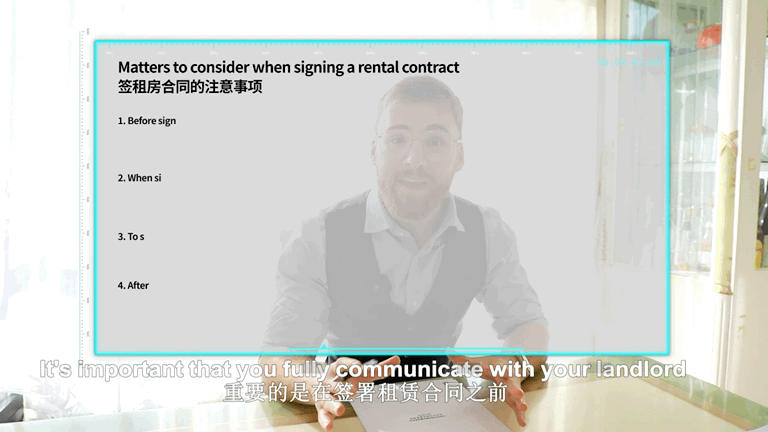
1. Real cases — pitfalls you can avoid
⚠️ Signed a Chinese-only contract
A foreign tenant in Beijing received only a Chinese contract, disputed the water-bill deduction at checkout, and was refused her deposit refund. She called the 12345 hotline; after housing-authority mediation the landlord settled.
🛫 Left China without checkout
A foreigner left Cixi without formally terminating the lease or removing his belongings. The landlord cleared the unit after repeated attempts to contact him. On return, the tenant had to negotiate an offset of his belongings against unpaid rent.
🏘️ Neighbor conflict from lifestyle clash
In Chengdu, a student viewing an apartment in an old residential community was blocked at the gate by residents after previous short-term foreign tenants had caused noise and litter issues. Police were called to mediate.
2. Common questions
The contract is all Chinese — what should I do?
Under China’s Civil Code, a contract should be in language both parties understand. In practice, request a bilingual contract. If only Chinese is available, have a Chinese-speaking friend or professional translate every key clause before signing.
Critical clauses to check line by line:
- Lease term — start/end dates and renewal conditions
- Rent — amount, payment method, and due date
- Deposit — amount, refund conditions, and deduction rules
- Maintenance — what the landlord covers vs. what you cover
- Early termination — penalty and notice period
中文参考:如果双语版本理解不一致,建议在合同中明确约定「以中文版本为准」。
My deposit is being withheld — what are my options?
Deposit disputes are the most common rental problem for expats. Follow these steps in order.
Request a refund in writing
State that the property is in good condition, attach photos, and set a reasonable deadline. Emails and WeChat chat logs count as evidence.
Apply for free mediation
Try your community neighborhood committee, the sub-district judicial office (many cities now have foreign-related mediation rooms with multilingual staff), or the local comprehensive governance center. These services are free and often faster than court.
File a civil lawsuit as last resort
If mediation fails, file at the People’s Court where the property is located. Because the property is in China, the case is heard in China regardless of nationality.
Jurisdiction tip: Include a clause stating that disputes are governed by Chinese law and under the jurisdiction of the court where the property is located.
中文参考:「因本合同引起的纠纷,由租赁房屋所在地法院管辖,适用中华人民共和国法律。」
Do I need to register my accommodation?
Yes. Under Article 39 of China’s Exit-Entry Administration Law, foreigners staying anywhere other than a hotel must register with the local public security authorities within 24 hours of moving in. The landlord can do it for you, but you are responsible for making sure it happens.
This step is often skipped in older communities or buildings without professional management. Failure to register can result in a warning or a fine, and it may affect future visa or residence-permit matters.
What you need: Passport, lease agreement, and landlord’s ID / property certificate. Processing time is usually immediate at the local police station or neighborhood office.
中文参考:「外国人在旅馆以外的其他住所居住或者住宿的,应当在入住后24小时内由本人或者留宿人,向居住地的公安机关办理登记。」
3. Practical checklist before you rent
- Read the contract fully; ask for a bilingual version and clarify the Chinese-prevails clause.
- Verify the landlord’s identity and property ownership certificate (房产证) or authorized power of attorney.
- Photograph and video every corner of the apartment at move-in and move-out.
- Keep all written materials: contract, payment receipts, deposit transfer records, and chat logs.
- Complete police accommodation registration within 24 hours of moving in.
- Before leaving China, settle bills, remove belongings, and formally check out with a handover record.
4. Three golden rules
Read before signing
Never sign a contract you do not understand. Ask, translate, and only then sign.
Keep evidence
From move-in to move-out, keep records, photos, receipts, and chat logs.
Use the right channel
Dispute path: talk → free mediation → court. Escalate step by step.